“I believe that IDMe is the future of identity verification for unemployment insurance.ˮ

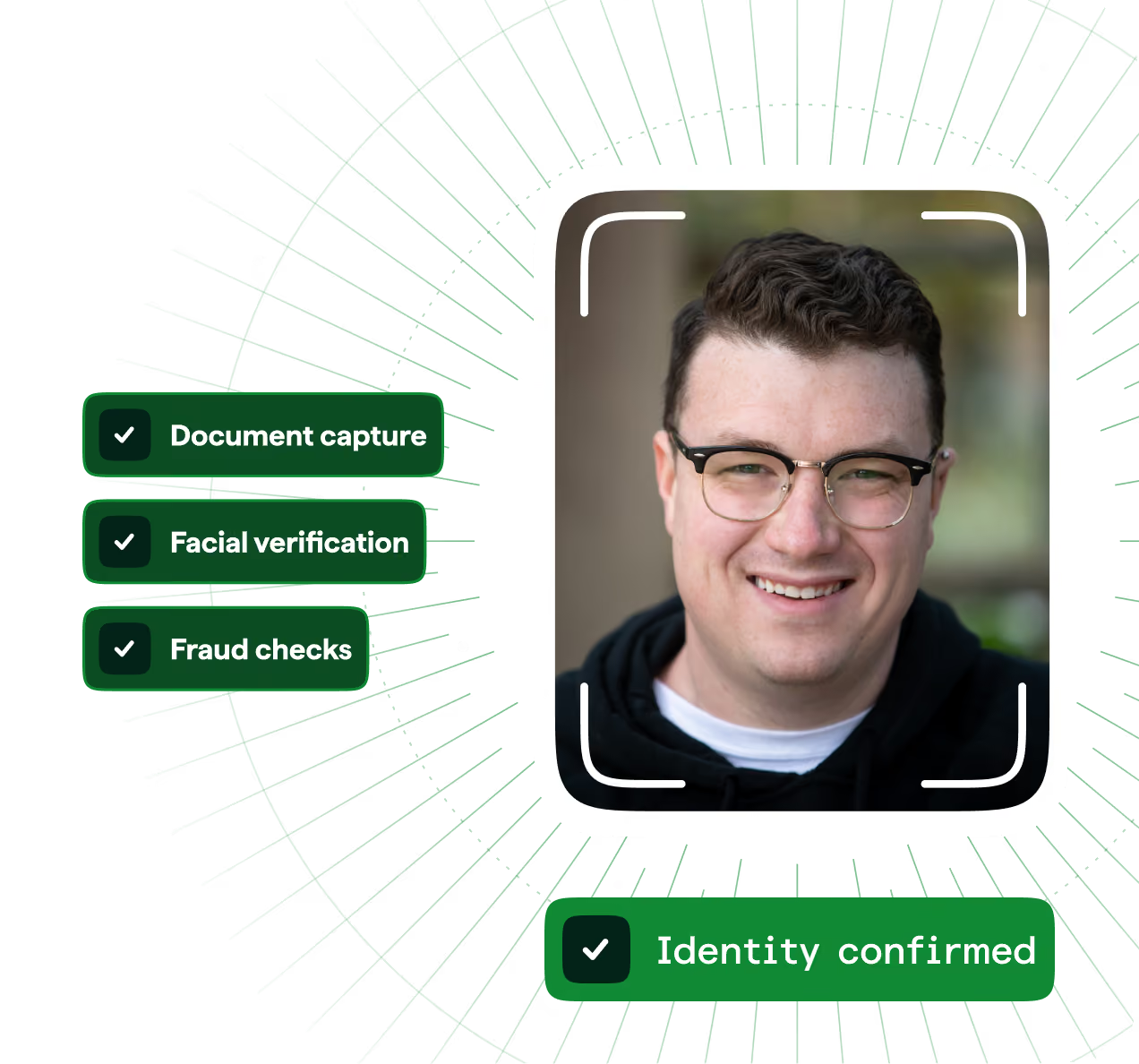
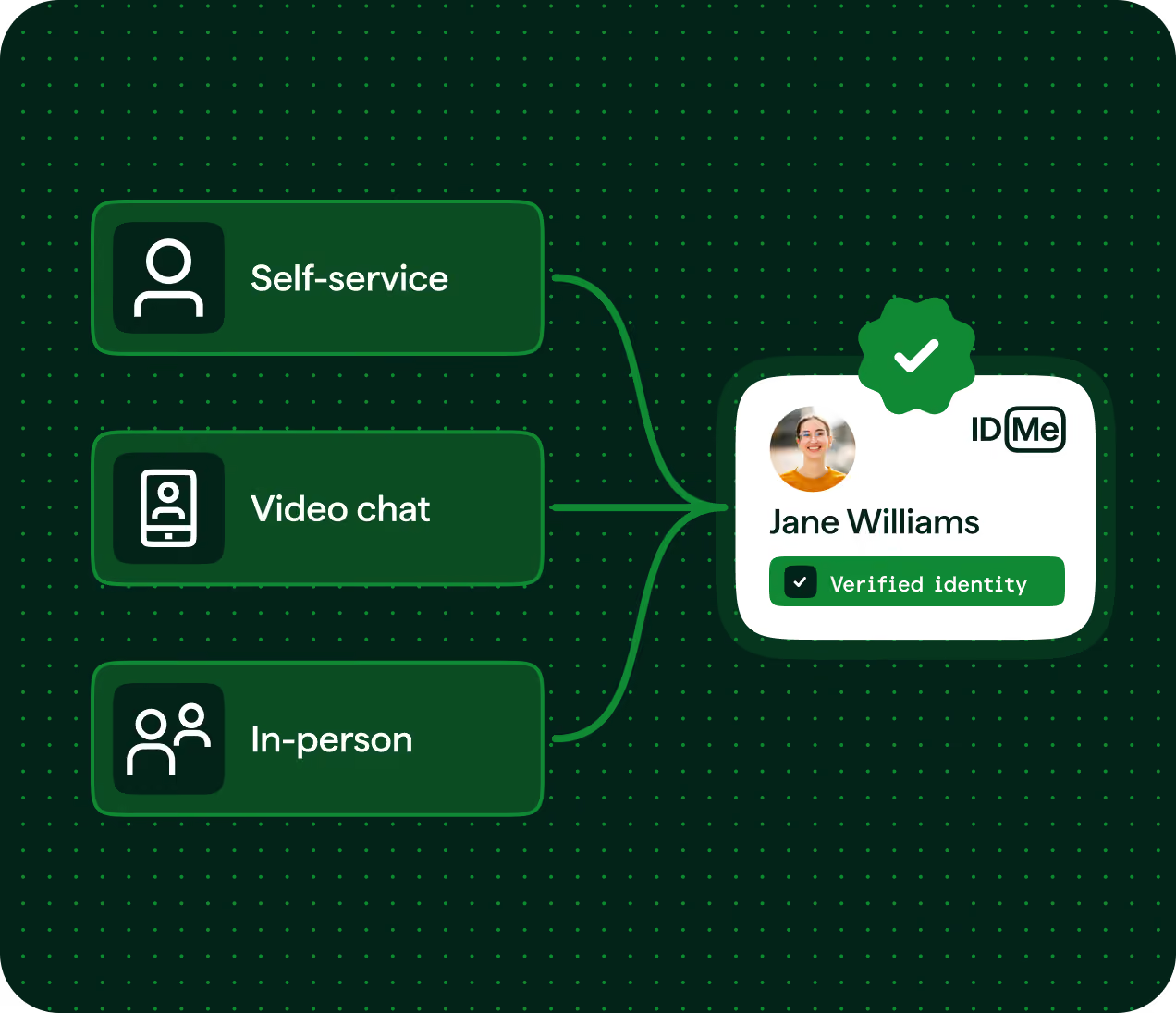
Most users can complete identity proofing through online self-service. Live video and in-person options provide another path when additional support is needed.
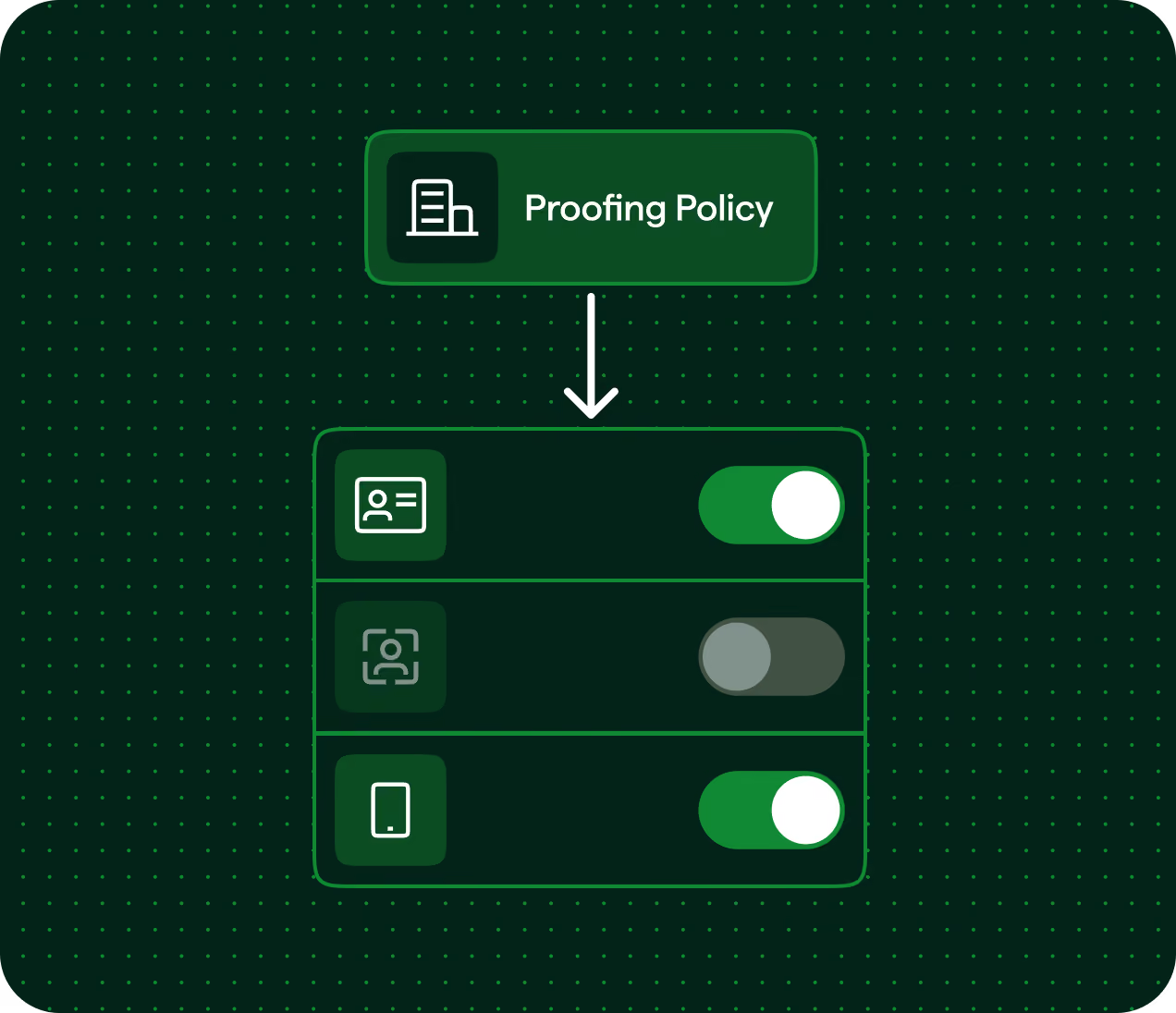
Configure the level of identity proofing each use case requires. Apply stronger checks to high-risk interactions while simplifying the process for lower-risk ones.
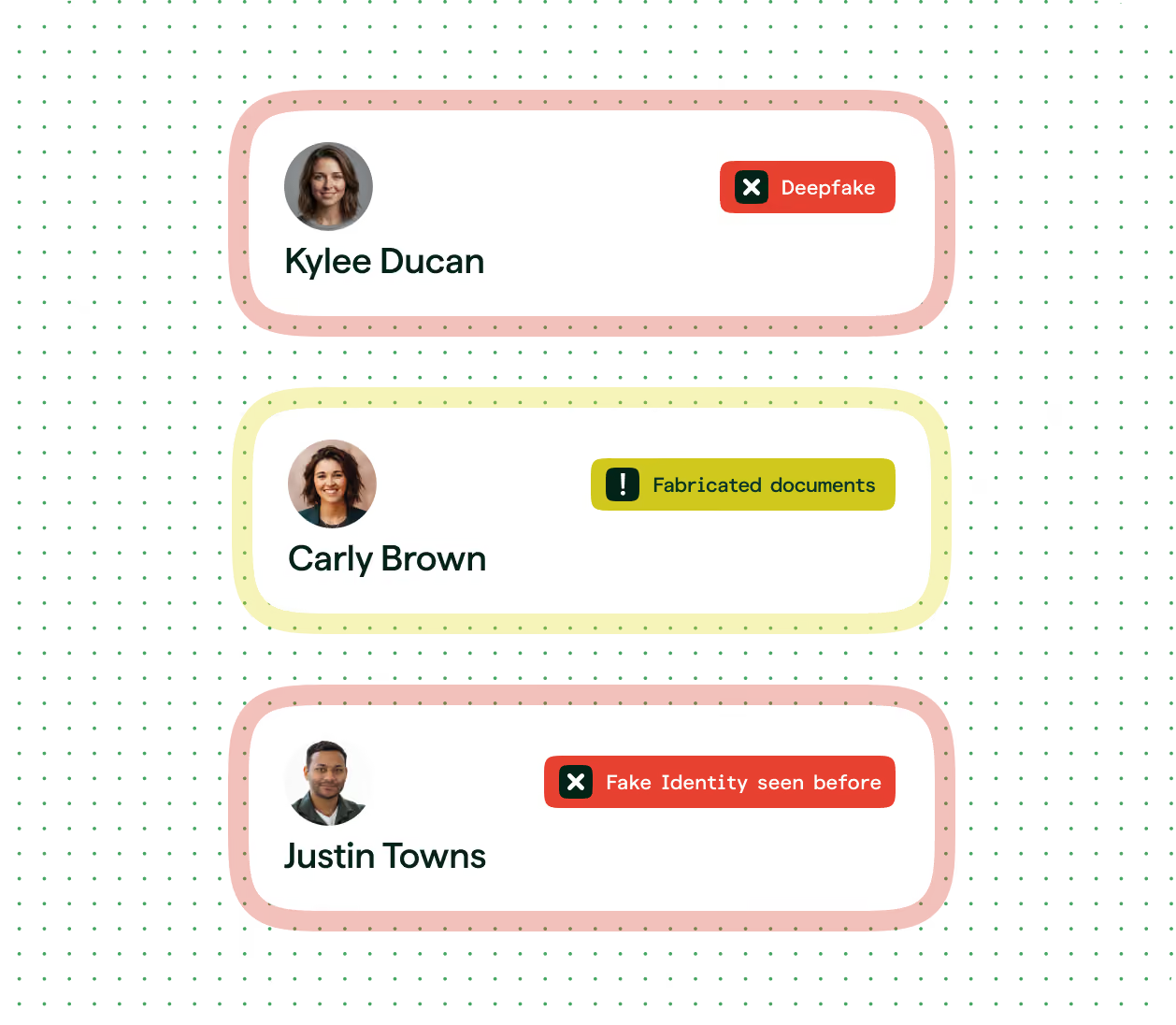
Check for stolen or fabricated documents, impersonation, and repeat fraud during proofing.
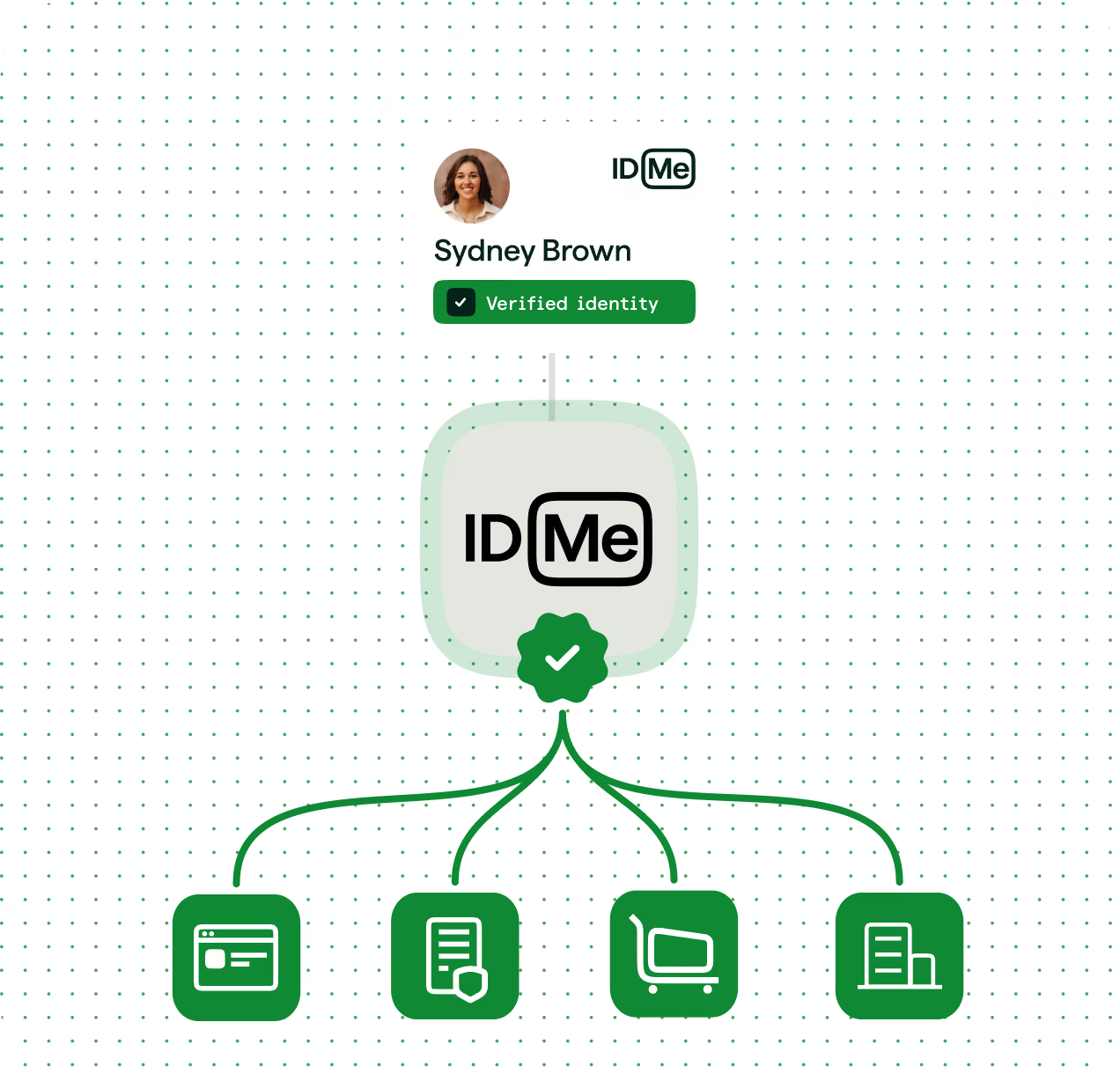
With the member's consent, IDMe confirms returning users who already have a verified identity and credentials in their IDMe Wallet. Additional information is requested only when your requirements call for it.
“I believe that IDMe is the future of identity verification for unemployment insurance.ˮ
“There was a bonus that the other solutions didnʼt have: video chat.ˮ

“It has given us the confidence that we are assisting individuals who really need it.ˮ

First-time online self-service verification typically takes about 5 minutes, and video-call verification about 10 minutes. With their consent, returning users can reuse their existing verified identity to sign in, typically in under 30 seconds.
Users who can't complete a self-service verification can meet over live video with a trained Trusted Referee, or in person at 700+ locations nationwide.
IDMe combines document and authoritative-source checks, liveness checks that confirm a real person is present, and device, network, and behavioral signals to help detect fake IDs, deepfakes, repeat identities, and automated attacks. Suspected fraud goes to trained specialists for further review.
IDMe reports a metric called True Pass Rate: the percentage of users who verify successfully, after removing fraudulent attempts from the count. It shows how well verification works for legitimate users.